
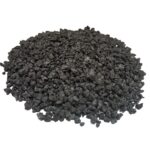
Calcined Petroleum Coke/CPC 0-2,2-5,5-8,8-25mm
December 18, 2025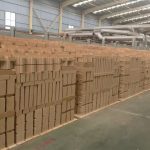
Fired Alumina Brick
December 18, 2025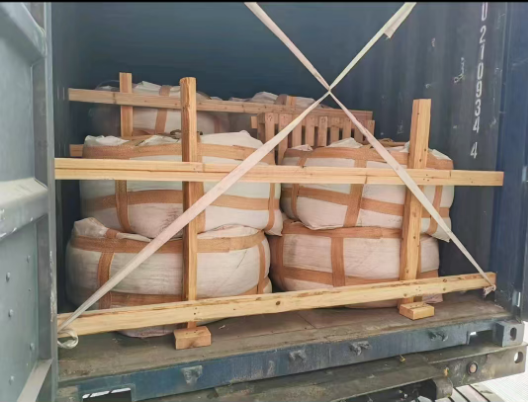
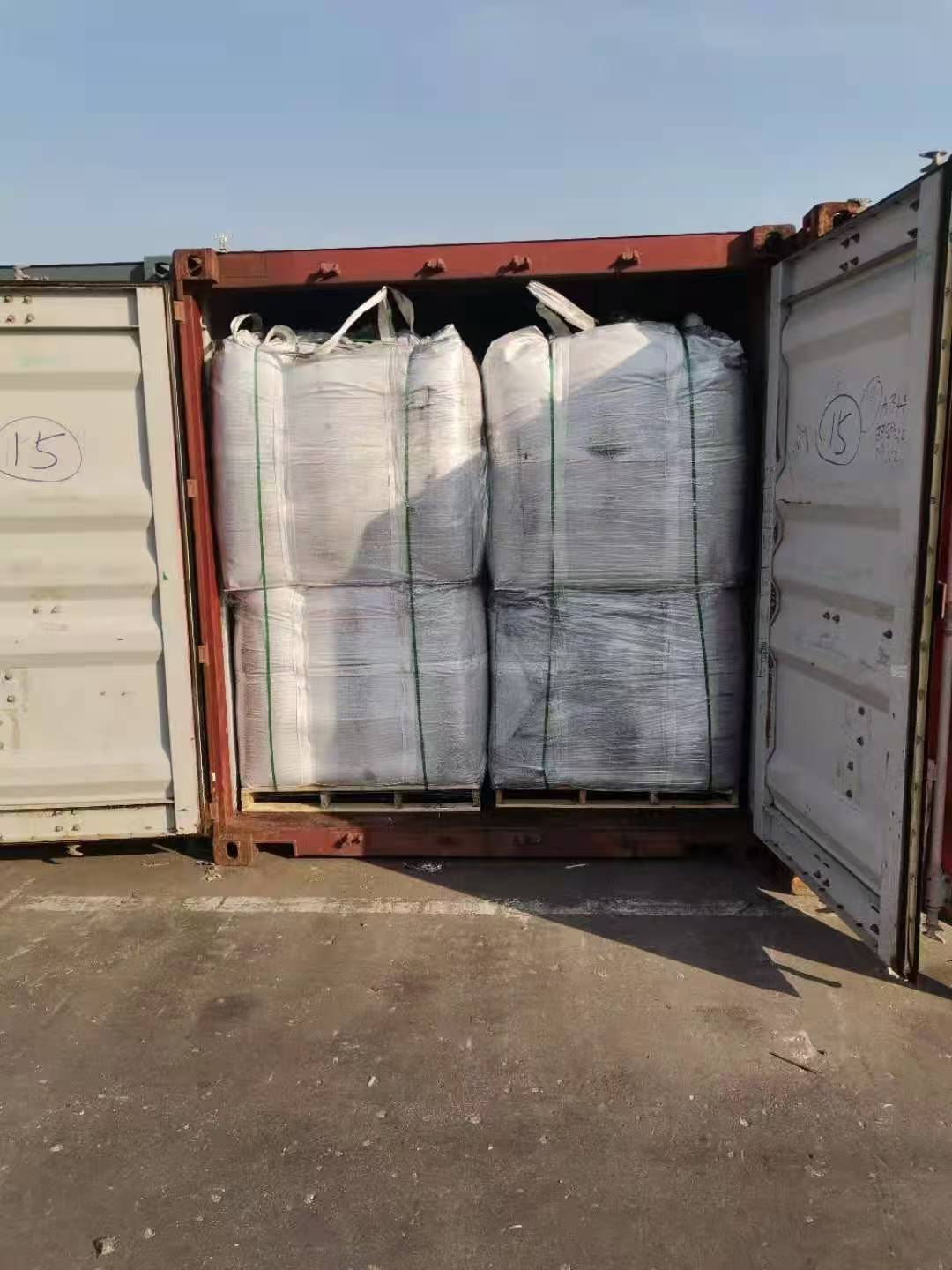
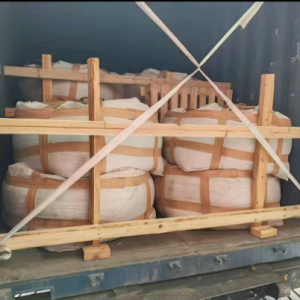
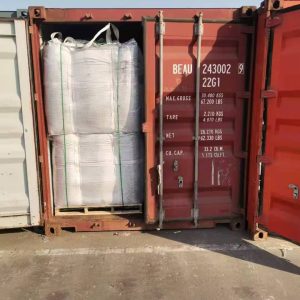
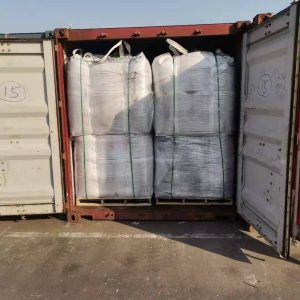
Repair mass MgO≥80%
Hot repairing Thermal repair
Repair mass MgO≥80%
Content:
| MgO not less | 80% |
| Al2O3 not more | 1% |
| Fe2O3 not more | 4,0-6,0% |
| CaO not more | 8,0-12,0% |
| SiO2 not more | 2% |
| Periclase powder not more | 3% |
| Density, not less | 3.24 g/cm3 |
| Granulometric composition | 0.0-6.0 mm |
Part 3: USE SUMMARIZE
Mainly used in the USED IN REFRACTORY MATERIAL PRODUCTION
Part 4: RISK OVERVIEW
Risk category: The eyes and respiratory stimulation
Pathways: inhalation, eye and skin contact
Health hazards: It is not easy to cause toxicity to the body, and has a stimulating effect on mucous membrane and upper respiratory tract. The respiratory tract
Inhalation of the dust may cause mild pulmonary fibrosis, with large amounts of aluminum deposition in the lungs and pulmonary lymph nodes
Product.
Environmental hazards: dust
Explosion Hazards: None
Part 5: FIRST AID MEASURES
Skin contact: Rinse with plenty of water. Off and isolate contaminated clothing and shoes. Note that the patient warm and
And keep quiet.
Eye contact: Rinse
Inhalation: Move to fresh air, apply artificial respiration. If the patient is not breathing, give artificial
Breathing. If breathing is difficult, give oxygen.
Ingestion: Inhalation, ingestion or skin contact with this substance can cause delayed reactions. To ensure that medical personnel understand the matter
Personal protective substance-related knowledge, attention to self-protection.
Part 6: FIRE-FIGHTING MEASURES
Hazardous characteristics: In case of strong oxidants (Such as fluorine, chlorine trifluoride and potassium peroxide ) React.
Hazardous combustion products:Carbon dioxide
Fire fighting methods: Flammable solid. If the fluid enters or contaminated water, the water has the potential to notify Contamination of downstream users to inform local health, fire officials and pollution control department. Use dry chemical, foam,
Carbon dioxide.
Part 7: ACCIDENTAL RELEASE
Emergency treatment: Isolate the contaminated spill area and restrict access. It is recommended that emergency responders wear dust masks (full-face masks),
Wear hazmat suits. Avoid dust, carefully sweep, place in a bag and transfer to a safe place. If a large number of
Leak, cover with plastic sheeting, canvas. Collect and recycle or transport to waste disposal site for disposal
Part 8: EXPOSURE CONTROLS / PERSONAL PROTECTION
Inspect method: gas chromatograph (GC)
Engineering control: Be hermetic, ensure adequate aeration.
Respiratory protection: Wear a respirator if the vapors concentration is too high.
Part 9: PHYSICAL AND CHEMICAL PROPERTIES
Appearance: Brown particle
Main components: Al2O3
Solubility: insoluble in water.
Main purposes: USED IN REFRACTORY MATERIAL PRODUCTION
Section 10: Stability and reactivity
Stability: Stable
Avoid: None
Hazardous Polymerization: None
Part 10. STABILITY AND REACTIVITY
Stability: Stable at normal temperature of storage, handling and use.
Conditions to avoid: strong oxidant
Hazardous reactions: Unactable
Part 11: TOXICOLOGICAL INFORMATION
Irritation: None
Sensitization: No
Mutagenicity: No
Teratogenicity: No
Carcinogenicity: None
Section 12: Ecological Information
Ecotoxicity: No
Biodegradability: No
Non-biodegradable: None
Bioconcentration or bioaccumulation: None
Other harmful effects: None
Section 13: Waste disposal
Waste Disposal Method: classified unified treatment
Part 14: Transport Information
Dangerous Goods Code:
Packaging Category: General
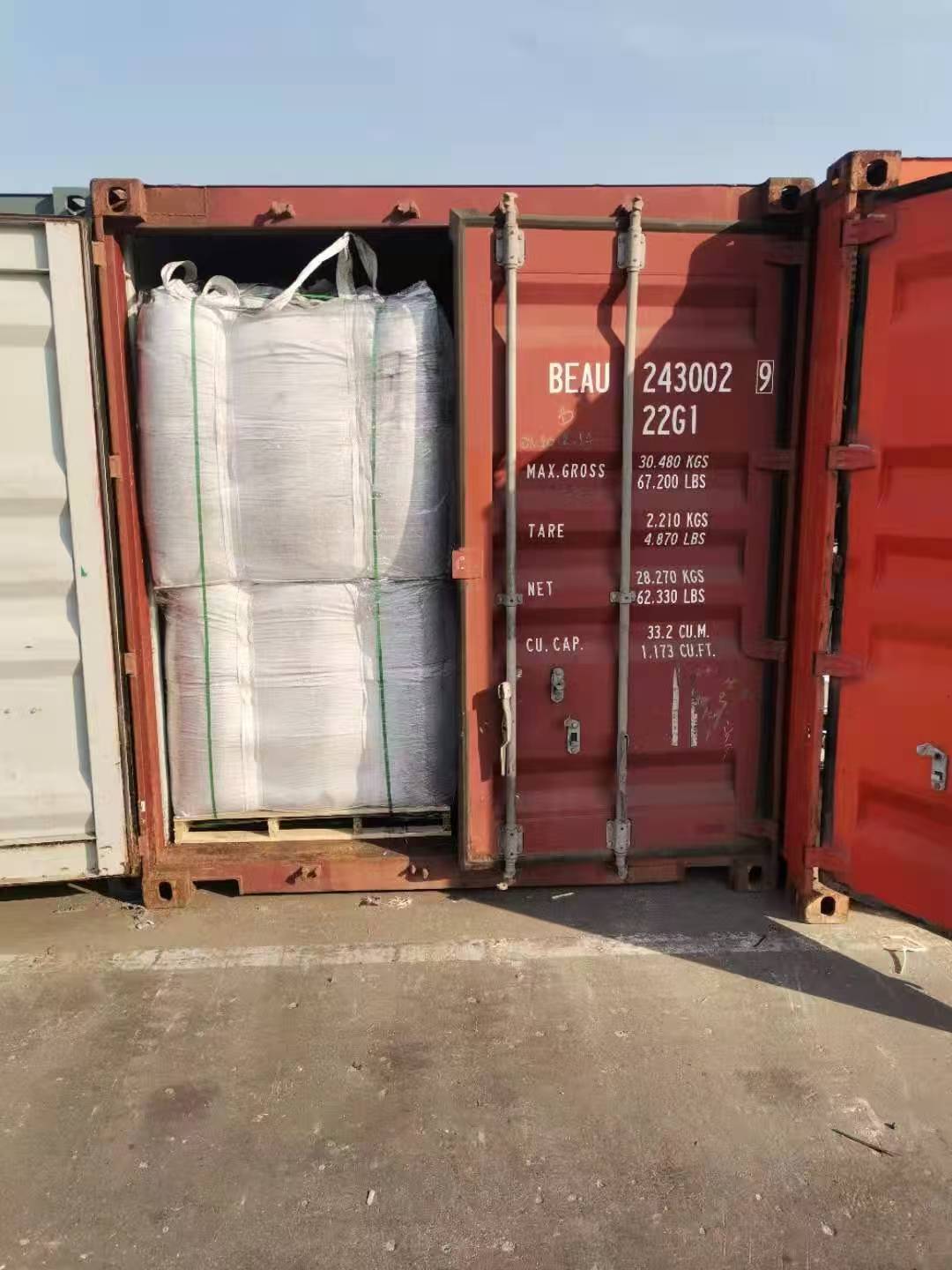
Packing: BAGS
Transportation Note: Note gently
Part 12: HANDLING AND STORAGE
Handling Precautions: Note dust
Storage Precautions: Avoid contact with strong oxidizing storage (fluorine, chlorine fluoride, potassium chloride had four)
Section 8: Exposure Control / Personal Protection
Engineering Controls: No special controls necessary
Respiratory protection: Provide appropriate dust mask with filter sheets.
Eye protection: safety glasses to
Body protection: Overalls can (no special protection)
Hand protection: Gloves can
Other protection: regular inspection respiratory system, lungs, cardiovascular system.
Part13: DISPOSAL CONSIDERATION
Disposal notice: Disposal area must comply with the environment and national safety standard.
Transportation information: Do transportation in the morning and night in summer.
Part14:IMDG REGULATION
NOT REGULATED
Part15: TRANSPORT INFORMATION;
Packing: BAGS
Transportation Note: When BAGS to shipment, loading should be safe. During transport to ensure that the container does not leak, did not fall, do not fall, no damage. With no flammable or combustible materials, acids, food chemicals mixed mixed operation. Transport transport vehicles should be equipped with spill response equipment. Rain should not transport.
Part16: Regulatory Information
“Dangerous Chemicals Regulations” (State Council Decree No. 344);
“Dangerous goods” (GB12268-2005);
“Dangerous Goods Classification and code” (GB6944-2005);
“Dangerous Material Safety Data Sheet written provisions” (GB16483-2000);
“Common classification of hazardous chemicals and signs” (GB13690-92)
Reviews
There are no reviews yet.